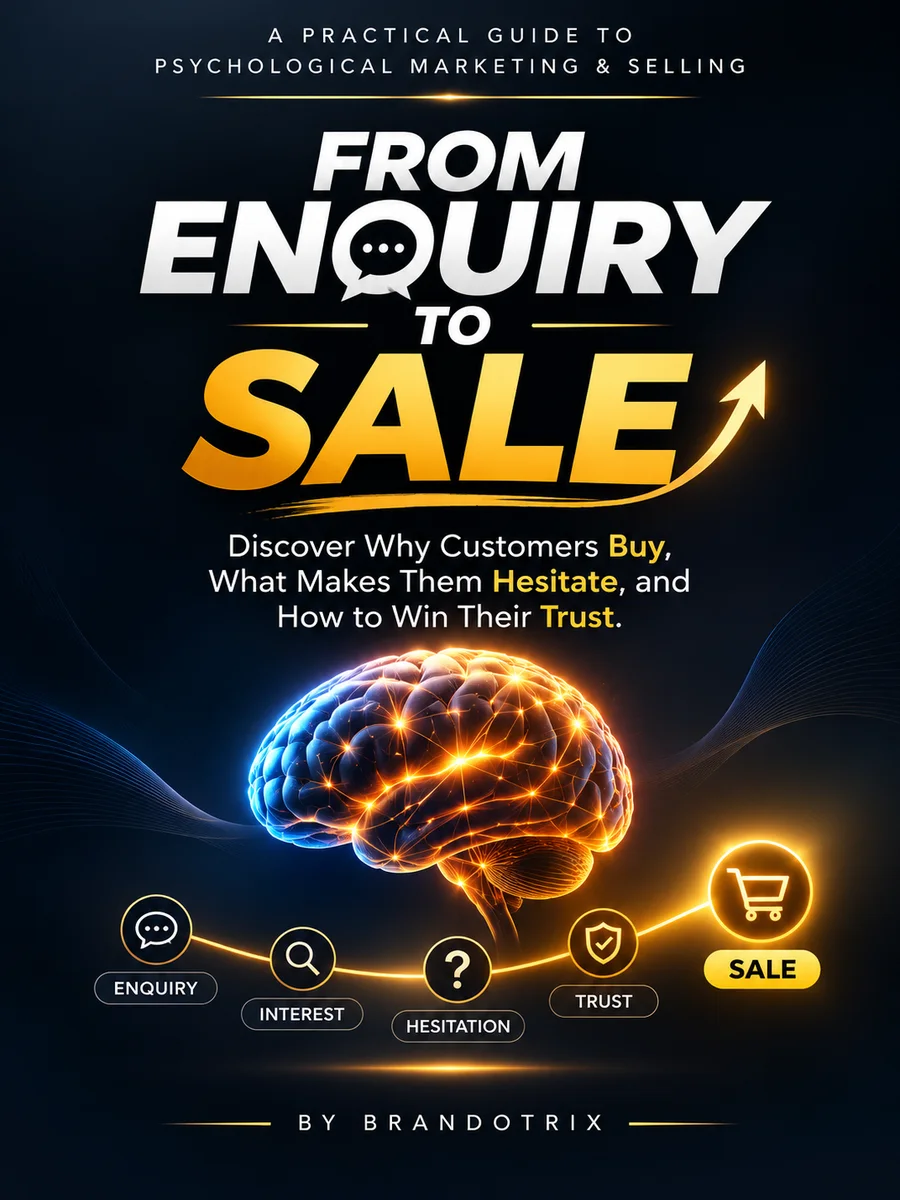
Understand why customers buy
Explore how attention, relevance, perceived value, and trust influence a decision.
IN PRACTICEBefore writing your next offer, ask what your customer actually needs to feel confident about choosing it.
Recognize why customers hesitate
Look beyond the surface objection to uncertainty, perceived risk, and buying concerns.
IN PRACTICEWhen someone says ‘I’ll think about it,’ consider what they still need to understand rather than immediately offering a discount.
Communicate your offer more clearly
Connect product features with the needs and expectations of the person reading them.
IN PRACTICEInstead of only listing what’s included, explain how each part relates to the problem your customer wants to solve.
Write more relevant marketing messages
Explore psychological copywriting, headlines, storytelling, framing, and positioning.
IN PRACTICEUse a customer’s real concern as the starting point for your next headline, not a generic claim about your business.
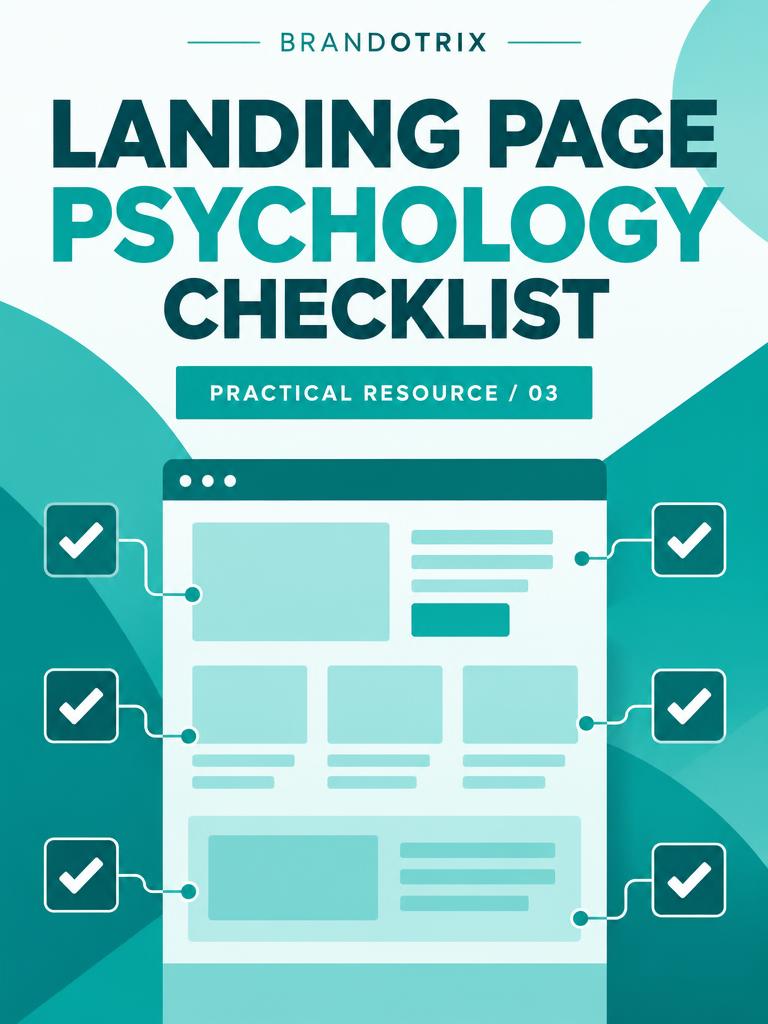
Build better landing pages
Understand how clarity, trust, value communication, and friction affect visitor decisions.
IN PRACTICEReview whether a visitor can tell who your offer is for, what they receive, and what happens after clicking.
Improve your sales conversations
Explore structured ways to discuss needs, explain value, address concerns, and follow up respectfully.
IN PRACTICEMake your next follow-up relevant to the customer’s question instead of simply asking whether they’re ready to buy.
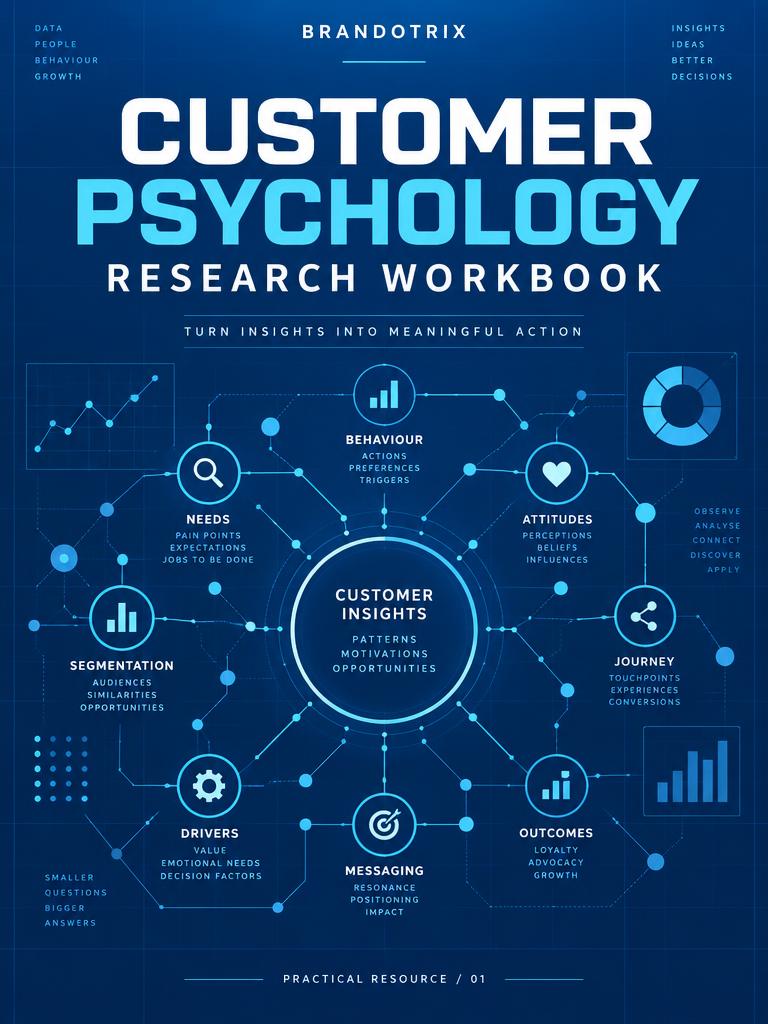
Understand your audience before your next campaign
Use customer research to inform your messages instead of relying only on assumptions.
IN PRACTICECollect recurring questions from enquiries and use them to identify what your advertising or page should explain.
Use AI more thoughtfully in marketing
Explore AI-assisted research, copywriting, and psychological selling workflows.
IN PRACTICEUse prompts to explore messaging angles, then check the facts and adapt the draft to your audience before publishing.